How to Get Your FMCG Product into Coles and Woolworths
Getting ranged by a major retailer takes more than a great product. Learn how to build the commercial readiness, retail credibility and execution plan needed to move your FMCG brand from idea to shelf.

How to Get Your FMCG Product into Coles and Woolworths
Getting your product onto the shelves of a major retailer such as Coles or Woolworths can be a defining milestone for an FMCG brand.
But having a great product is only one part of the equation.
Successful retail entry requires a commercially viable proposition, a clear understanding of the category, competitive pricing, reliable supply, a compelling ranging case and the ability to execute once the opportunity arrives.
For emerging brands, this can feel like a complicated process. For established businesses entering a new category or expanding distribution, the challenge may be different, but the fundamentals remain the same.
Here is what FMCG brands should consider when preparing to approach Australia’s major retailers.
1. Start with commercial feasibility
Before approaching a retailer, you need to understand whether the opportunity makes commercial sense for everyone involved.
That means looking beyond whether consumers might like the product.
A strong market entry strategy should consider the size and nature of the opportunity, the competitive landscape, your intended customer, category positioning, pricing, margins, production capacity and the practical requirements of getting the product onto shelves.
Questions to consider include: Where does the product sit within the existing category? What customer need does it address? How is it different from products already available? Can the pricing work for the consumer, retailer and your business? Can you reliably supply the product as distribution increases? Is the brand ready for the operational demands of a larger retail network?
Answering these questions early helps identify barriers before significant time and resources are invested in a retail launch.
The goal is not simply to get listed. It is to build a commercially sustainable proposition that has the potential to perform once it reaches the shelf.
2. Build a product retailers can confidently range
Retailers are not simply evaluating a product in isolation. They are considering how it fits within the broader category and whether it gives customers a compelling reason to buy.
Your positioning, product range, packaging, pricing and overall brand proposition therefore need to work together.
For some businesses, this means refining an existing product before approaching major retailers. For others, it may involve developing new formats, adjusting pack architecture or building an innovation pipeline around future retailer ranging cycles.
The strongest products have a clear reason to exist.
They should be easy for consumers to understand and commercially relevant to the retailer. Product development decisions should therefore be informed by category dynamics, shopper behaviour and the commercial realities of the market rather than product preference alone.
Becoming retail-ready is about ensuring the entire proposition can stand up to commercial scrutiny.
3. Make the numbers work before the pitch
A strong product with an unsustainable commercial model will struggle to deliver long-term retail success.
Before entering ranging discussions, brands need a clear understanding of their numbers. This includes recommended retail pricing, wholesale pricing, retailer margins, brand margins, promotional opportunities, supply and logistics costs, different distribution scenarios and the financial impact of scaling.
Commercial modelling allows you to understand what happens when the business moves from a smaller operation into broader retail distribution.
It also gives you greater confidence during negotiations.
Rather than making decisions reactively, you can understand how different pricing, promotional and distribution scenarios affect both short-term performance and long-term profitability.
4. Build a retailer-ready ranging case
Getting in front of the right retailer is important. Giving them a strong reason to range the product is even more important.
A retailer-ready submission should clearly communicate the commercial opportunity behind your brand.
That may include your consumer proposition, category opportunity, competitive positioning, pricing strategy, ranging justification and plans for supporting the product after launch.
The objective is to make the opportunity easy to understand.
A strong ranging case should answer the retailer’s key questions: Why this product? Why this category opportunity? Why now? And why should customers buy it?
Depending on the opportunity, this may be supported by detailed commercial modelling, category review presentations, promotional plans and a broader go-to-market strategy. The presentation itself matters, but the thinking behind it matters more.
5. Be ready to supply at scale
Securing retail ranging is only valuable when the business can reliably deliver against it.
Distribution, logistics and forecasting therefore need to be considered before the first major order arrives.
For businesses entering Australia from overseas, this may involve managing imports, local product landing and distribution infrastructure. For local brands, the challenge may be ensuring production and supply can keep pace as the number of stores increases.
A retail-ready supply chain should support reliable product availability, accurate forecasting, demand planning, efficient distribution, multiple retail channels and future expansion.
Poor availability can quickly undermine an otherwise successful product launch.
The operational side of retail may receive less attention than branding or the initial ranging pitch, but it plays a critical role in building retailer confidence and creating sustainable growth.
6. Treat ranging as the beginning, not the finish line
Getting onto the shelf is an important achievement. Staying there and growing is the next challenge.
Once a product is ranged, brands need to continue managing retailer relationships, monitoring performance and identifying opportunities to improve distribution, visibility and sales.
That can involve ongoing account management, promotional planning, range reviews, joint business planning and the development of new products or formats.
The strongest retailer relationships are built over time. Brands that continue to understand their category, respond to opportunities and execute consistently are better positioned to expand their presence and build sustainable commercial partnerships.
What successful retail expansion can look like
Premium Retail Solutions has supported brands through different stages of this journey.
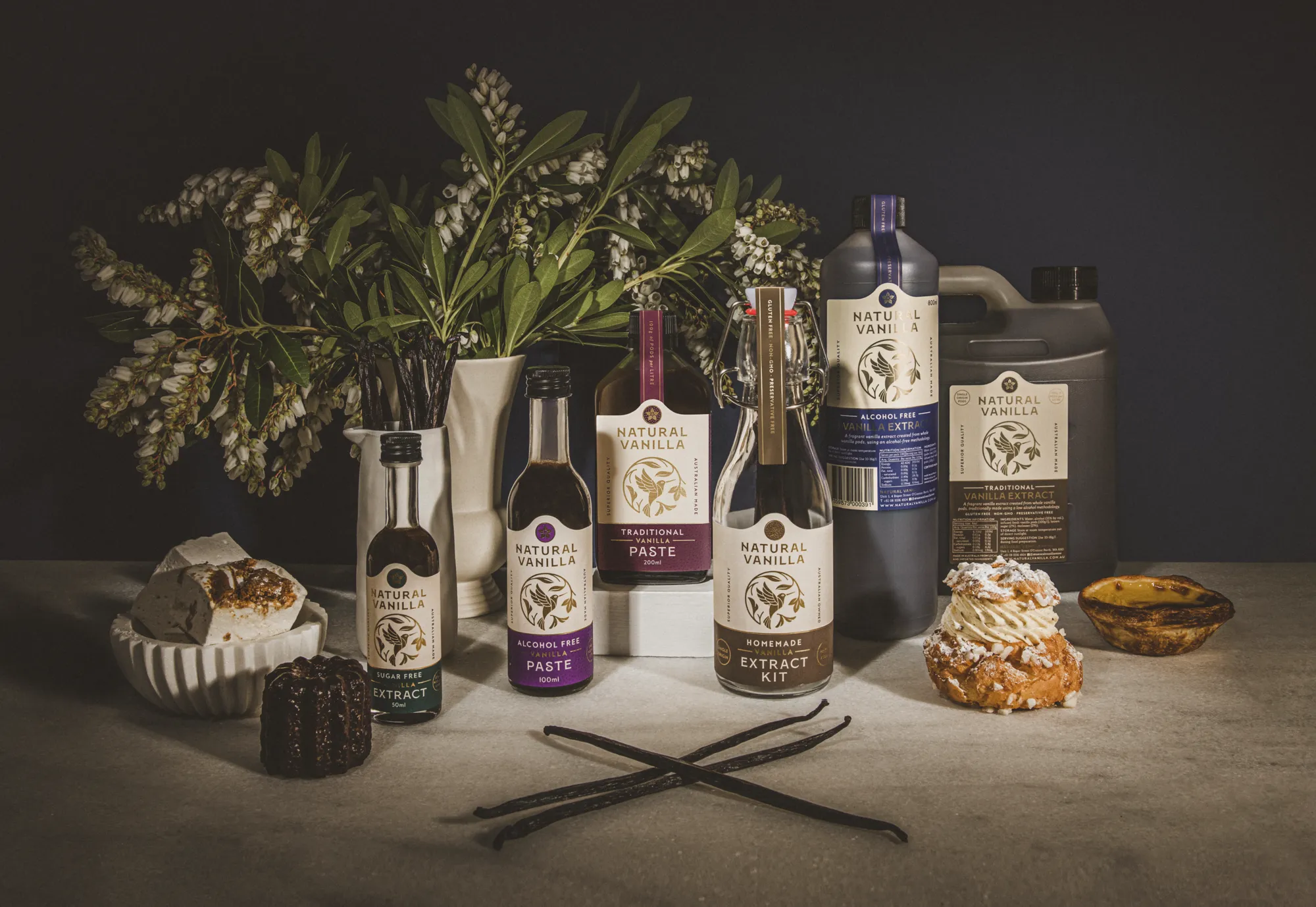
Natural Vanilla Company increased its Woolworths distribution from 425 stores to 1,013 stores, an increase of 588 stores or approximately 138%. The partnership also included work around pricing, range reviews, shelf positioning and promotional opportunities.
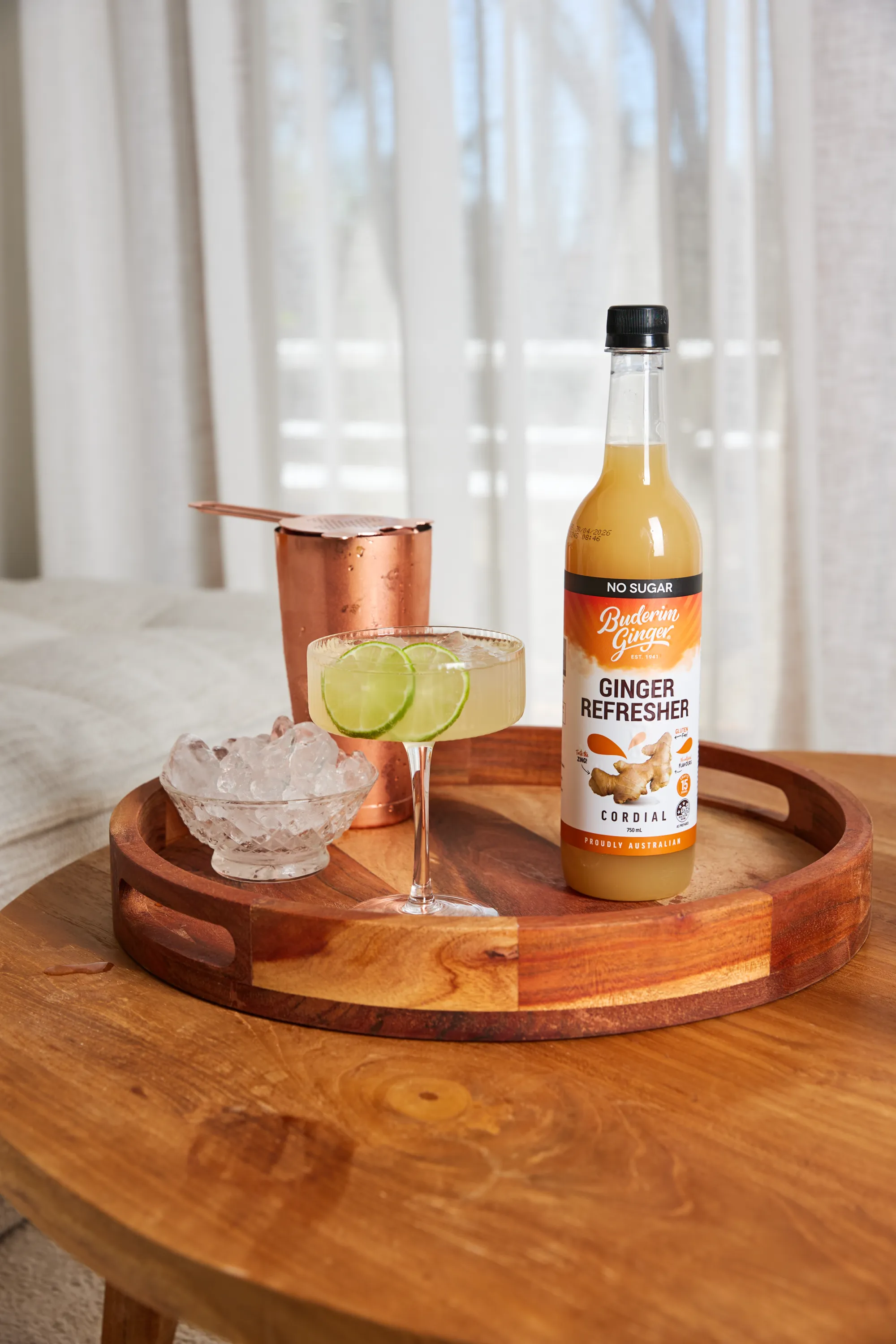
For Buderim Ginger, PRS supported projects spanning product development, export market entry, major retailer ranging and private-label opportunities. This included helping secure national distribution through both Woolworths and Coles for a 350g sliced ginger product.
Since beginning its partnership with PRS in April 2022, Babushka’s Kefir has recorded approximately 825% sales growth through to March 2026, alongside continued product development and expansion across major retail channels.
The details differ from brand to brand, but the underlying principle remains consistent: sustainable retail growth requires strategy and execution to work together.
A connected approach from strategy to shelf
Entering major Australian retailers rarely comes down to one presentation, one introduction or one successful meeting.
It is the result of many interconnected decisions.
Your market entry strategy influences your product. Your product influences your pricing. Your pricing affects your commercial model. Your commercial model supports your retailer proposition. And once the product is ranged, your supply chain, account management and ongoing execution determine what happens next.
Premium Retail Solutions works with emerging and established FMCG brands across this entire journey, including market entry and expansion, brand and product development, commercial modelling, retailer category reviews, distribution, account management and ongoing growth strategy.
Whether you are preparing to approach a major retailer for the first time or looking to expand an existing retail footprint, the goal should be bigger than simply getting your product onto the shelf.
Build a brand that retailers can back, consumers want to buy and your business is equipped to grow.
case study